


Provider Ordered IV Therapy
An easy and efficient means of getting nutritional vitamins, amino acids, minerals, and other nutrients into the body quickly.

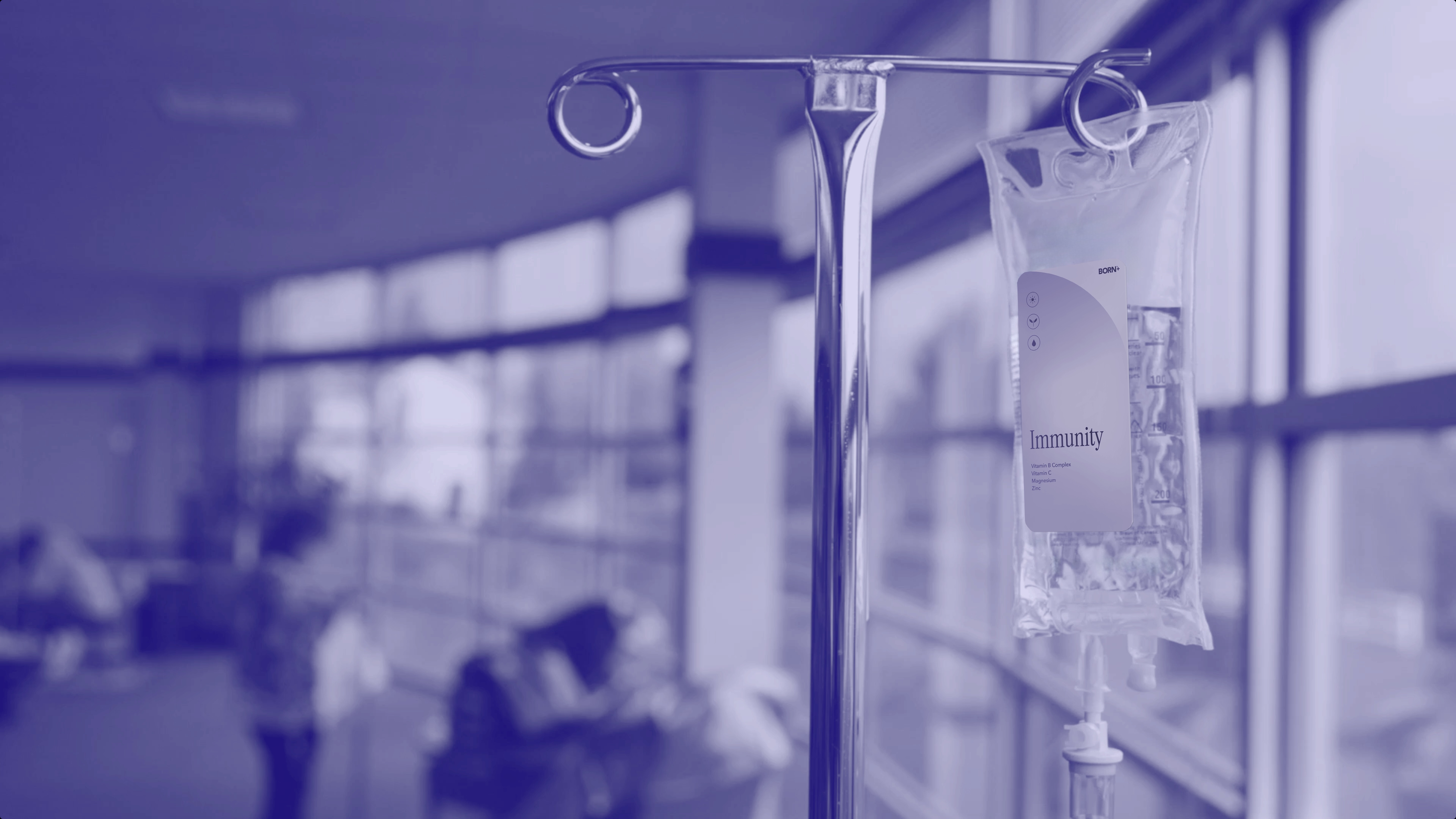
The following IV therapies require a provider evaluation and individual order prior to administration due to dosing considerations, therapeutic intent, or medical complexity. Potential benefits vary by individual and depend on overall health status, laboratory findings, and adherence to a provider-directed treatment plan.
Extended Wellness IV Drip (previously referred to as Full Felice IV Drip)
This extended formulation builds upon the Wellness IV with additional nutrients and longer infusion time.
Vitamin C IV Drip
High-dose intravenous Vitamin C is commonly used in supportive care and wellness protocols. While Vitamin C is best known as an antioxidant, when administered intravenously at higher doses (typically above 10,000 mg), it can exert a controlled oxidative effect. This unique action is believed to support immune function and the body’s natural defense mechanisms and is being studied in ongoing research for its supportive role in chronic illness and cancer care.
Vitamin C IV therapy is used to support immune function, inflammation regulation, tissue healing, and overall resilience. It is often incorporated as an adjunct to other therapies, including heavy metal detoxification and integrative oncology support.
Macular Degeneration IV Drip
A specialized formulation developed by Dr. Jonathan Wright and Dr. Alan Gaby containing nutrients commonly associated with eye and retinal health.
Disodium EDTA (Chelation) IV Drip
Disodium EDTA IV chelation (pronounced kee-LAY-shun) therapy is a provider-directed treatment primarily used to support vascular health and heavy metal detoxification. This therapy is used for individuals with accumulated heavy metals and toxins that may contribute to impaired circulation and vascular health. It is commonly included in physician-directed protocols for patients with diabetes, cardiovascular disease, or age-related toxin buildup that can lead to arterial thickening and reduced blood flow, particularly in adults over age 50. Chelating agents like Disodium EDTA bind to certain toxic metals and chemicals in the bloodstream, allowing them to be safely excreted from the body over time through a gentle, individualized detoxification process.
Heavy metals such as mercury, lead, aluminum, cadmium, nickel, and arsenic can interfere with immune, nervous system, endocrine, and cardiovascular function, contributing to inflammation, oxidative stress, and a wide range of symptoms including fatigue, cognitive changes, sleep disturbances, neuropathy, circulatory issues, and heart disease. Physician-ordered chelation therapy may help support improved blood flow, removal of artery-damaging toxins, blood pressure regulation, nervous system health, memory and cognitive function, and diabetic complications. Disodium EDTA IV chelation is often used for vascular support, while other chelation methods may be selected for targeted heavy metal removal, and treatments are commonly paired with therapies such as Plaquex IV to support arterial health.
Individuals who may benefit from physician-directed Disodium EDTA IV chelation therapy include:
- Adults over age 50 with age-related toxin or heavy metal accumulation
- Individuals with a personal or family history of cardiovascular disease
- Patients with reduced circulation or vascular health concerns
- Individuals with diabetes and related circulatory complications
- Those with known or suspected heavy metal exposure
- Patients experiencing fatigue, cognitive changes, memory concerns, or neuropathy
- Individuals with elevated blood pressure or arterial plaque buildup
- Patients seeking adjunctive support for immune, nervous system, or endocrine function
Chelation therapy is personalized and requires medical evaluation and provider oversight to determine appropriateness and treatment planning.
Calcium EDTA IV Push
Calcium EDTA IV Push therapy is commonly used to help bind and remove certain heavy metals from the body in appropriate patients who do not have arterial or vascular disease. Calcium EDTA has a strong affinity for certain toxic metals, including lead and cadmium, and is generally well tolerated when administered under medical supervision. Because it primarily remains within the bloodstream and extracellular space, it is often selected for patients needing heavy metal detoxification rather than vascular support.
This therapy is administered as an IV push, which allows for efficient delivery and is typically easier on cell membranes compared to Disodium EDTA. Calcium EDTA may support the mobilization and removal of heavy metals over a shorter treatment duration and is frequently incorporated into individualized detoxification plans based on laboratory findings and clinical assessment. As with all chelation therapies, treatment selection and dosing are determined by a provider to ensure safety, tolerability, and appropriate patient support.
Phosphatidylcholine (Plaquex) IV Drip
Phosphatidylcholine is a naturally occurring phospholipid that plays a key role in maintaining healthy, flexible cell membranes. When we are younger, phosphatidylcholine is a major component of the cell wall and helps keep cells pliable and functioning efficiently. As we age, phosphatidylcholine levels decline and cholesterol becomes more dominant in the cell membrane, which can reduce cellular flexibility. Supplementing phosphatidylcholine through IV therapy may help support cell membrane integrity, circulation, and overall cellular health, and many patients report improved circulation and tissue support with treatment.
Glutathione IV Push
Glutathione is one of the body’s most important antioxidants and plays a central role in detoxification, immune defense, and cellular protection. It is naturally produced by the liver and is found in high concentrations in both the liver and the brain, where it helps neutralize free radicals and bind toxins such as heavy metals, pesticides, and metabolic byproducts so they can be safely eliminated from the body. When administered intravenously, glutathione can cross the blood–brain barrier, allowing it to more directly support brain, memory, nervous system, and liver function.
Glutathione IV therapy is commonly used in detoxification and wellness protocols to support immune resilience, reduce oxidative stress, and promote healthy aging at the cellular level. By helping protect cells from damage, it may also support skin health and overall vitality. Individual responses vary, and therapy is tailored to each patient’s health goals and clinical needs.
NAD+ (500 mg) IV Drip
A higher-dose NAD+ IV offered with provider evaluation to support cellular energy and metabolic processes. NAD IV therapy delivers nicotinamide adenine dinucleotide (NAD+), a vital coenzyme found in all living cells that supports cellular energy production and overall health. NAD levels naturally decline with age and can also be reduced by stress, illness, poor sleep, intense exercise, and inadequate nutrition, which may contribute to fatigue, cognitive changes, and reduced resilience.
By replenishing NAD+ at the cellular level, NAD IV therapy is used to support healthy aging, brain and immune function, energy production, and overall wellness, making it a popular option for longevity and performance support across a wide range of ages.
Major Autohemotherapy with Ozone and UV (MAH-UV)
Major Autohemotherapy with Ozone and Ultraviolet Blood Irradiation (MAH-UV) is a provider-directed therapy designed to support immune function, circulation, and healing. During treatment, a small amount of blood (typically 40–60 cc) is withdrawn and treated with medical ozone and ultraviolet (UV) light before being reinfused into the body over approximately 20–30 minutes. Ozone is a naturally occurring form of oxygen made up of three oxygen atoms (O₃). Because it is highly reactive, ozone is believed to support immune activity and help neutralize certain bacteria, viruses, yeast, and other pathogens. UV light exposure further supports immune modulation and cellular function, creating a synergistic approach to whole-body support.
MAH-UV is commonly used as an adjunctive therapy for individuals seeking immune support, improved oxygen utilization, and enhanced recovery, particularly in the setting of chronic or recurrent infections and inflammatory conditions. It is often included in wellness or integrative care plans for concerns such as chronic fatigue, fibromyalgia, chemical sensitivities, chronic allergies, Lyme disease, arthritis, autoimmune conditions, asthma or COPD, and immune system imbalance. It may also be used as complementary support alongside conventional cancer care. Treatment frequency is typically 1–3 sessions per week, with the total number of treatments individualized based on health status, goals, and provider guidance. MAH-UV is used as adjunctive support and does not replace conventional medical treatment.
Note: As with any IV service, side effects can occur (e.g., bruising, discomfort at the IV site, lightheadedness, or allergic reaction). Risks are reviewed during the consent process. IV therapies are not intended for emergency care. If you have severe symptoms, seek urgent or emergency medical attention. Specific ingredients and dosing vary by formulation and may change based on availability and clinical protocols. Certain therapies may not be appropriate during pregnancy or breastfeeding; provider evaluation may be required. IV therapy names are for identification and marketing purposes only and do not imply diagnosis, treatment, or guaranteed outcomes.

